

sandblasted glass designs for doors
How to Close the Water Valve A Step-by-Step Guide Understanding how to properly close a water valve is essential for every homeowner. Whether you're dealing with a plumbing emergency, performing maintenance on your plumbing system, or preparing for seasonal changes, knowing how to close the water valve correctly is crucial to prevent water damage and ensure safety. This article will provide a comprehensive step-by-step guide on how to close the water valve effectively. Step 1 Identify the Water Valve Before you can close a water valve, you need to know where it is located. Most homes have several water valves, including 1. Main Water Valve This valve is typically located near where the water line enters your home, such as in the basement, crawl space, or outside near the foundation. 2. Individual Fixture Valves These valves can be found under sinks, behind toilets, or near appliances that use water, such as dishwashers and washing machines. 3. Outdoor Valves These are used to control water flow to outdoor hoses or irrigation systems. Once you’ve located the appropriate valve, ensure you have the right tools, if necessary. For most valves, you will simply need your hands, but occasionally, a wrench or pliers might be required. Step 2 Understand the Valve Type Water valves come in different types, such as gate valves, ball valves, and compression valves. - Gate Valves Usually rounded, these valves require you to turn the handle multiple times to close fully. - Ball Valves These generally have a lever handle that you can turn a quarter-turn (90 degrees) to close or open. - Compression Valves Commonly found under sinks, these require you to turn the handle clockwise to close. Knowing the type of valve will help you understand how to operate it effectively. Step 3 Prepare to Turn Off the Valve Before you begin turning off the valve, it’s essential to prepare 1. Clear the Area Make sure the area around the valve is free of obstacles. This will ensure you have enough space to maneuver and inspect for any leaks after closing the valve. how to close the water valve 2. Position a Container If the valve is under a sink or in a location where water could leak, place a bucket or container underneath to catch any residual water that may spill. Step 4 Close the Valve Now that you’re ready, proceed to close the valve - For Gate Valves Turn the handle clockwise until it is fully closed. You may need to turn it multiple times, depending on the valve size. - For Ball Valves Simply turn the lever 90 degrees until it is perpendicular to the pipe. In this position, the valve is closed. - For Compression Valves Turn the handle clockwise until it stops. Be careful not to overtighten, as this can damage the valve. Step 5 Check for Leaks After closing the valve, it’s crucial to check for any leaks. Turn on the faucet connected to the closed valve and observe 1. No Water Flow If there’s no water coming out, the valve has effectively closed. 2. Leaks If you notice any leaks around the valve, especially if it’s an older valve, it might indicate that the valve is worn out and may need to be replaced. Step 6 Document and Maintain Keep a record of the valves in your home and routinely check their condition. Proper maintenance can prolong the life of your plumbing system and prevent potential issues. Conclusion Closing a water valve is a straightforward yet essential task for any homeowner. By understanding the types of valves, knowing their locations, and following the steps outlined above, you can effectively manage your plumbing system. Whether you are responding to a leak, preparing for cold weather, or completing routine maintenance, mastering the art of closing water valves ensures your home remains safe and dry. Remember to remain proactive about your plumbing needs, and don't hesitate to call a professional if you're uncertain about any aspect of valve operation or maintenance.
about
sandblasted glass designs for doors
Reemplazo de Válvulas de Agua Una Guía Completa El agua es un recurso vital en nuestras vidas, y cualquier interrupción en su suministro puede causar serios inconvenientes. Las válvulas de agua son componentes claves en sistemas de plomería, ya que controlan el flujo y la presión del agua. Con el tiempo, estas válvulas pueden desgastarse o dañarse, lo que podría llevar a fugas o fallos en el sistema. Por eso, es fundamental conocer cuándo y cómo realizar el reemplazo de una válvula de agua. ¿Cuándo Reemplazar una Válvula de Agua? Existen varios signos que indican que una válvula de agua necesita ser reemplazada. Uno de los más evidentes es la presencia de fugas. Si notas que hay agua goteando alrededor de la válvula o en la tubería, es probable que la válvula esté dañada. También, si la válvula no cierra correctamente, permitiendo que el agua siga fluyendo cuando debería estar apagada, es una señal de que es tiempo de un cambio. Otros indicadores pueden incluir corrosión visible en la válvula o dificultad para girar el mando. Pasos para Reemplazar una Válvula de Agua 1. Cierre el Suministro de Agua Antes de realizar cualquier trabajo, asegúrate de cerrar la fuente de agua principal. Esto evitará inundaciones y otras complicaciones. 2. Drena el Agua Restante Abre los grifos conectados a la válvula que vas a reemplazar para permitir que el agua residual se drene. Esto facilita el proceso y reduce el desorden. water valve replacement 3. Retira la Válvula Antigua Usa una llave inglesa para aflojar las tuercas que sujetan la válvula en su lugar. Puede que necesites un poco de esfuerzo si la válvula ha estado instalada por mucho tiempo. Una vez suelta, retira la válvula con cuidado. 4. Limpia las Superficies Antes de instalar la nueva válvula, limpia las superficies de los tubos para asegurarte de que no haya restos de residuos o sellador que puedan causar problemas en el nuevo montaje. 5. Instala la Nueva Válvula Coloca la nueva válvula en su lugar y asegúrate de que esté orientada correctamente. Vuelve a apretar las tuercas con la llave inglesa, pero evita apretarlas demasiado, ya que esto puede dañarlas. 6. Reabre el Suministro de Agua Después de haber instalado la nueva válvula, abre lentamente la fuente de agua y revisa si hay fugas. Si todo está en orden, puedes cerrar los grifos que abriste anteriormente. Mantenimiento Preventivo Para asegurar la longevidad de tus válvulas de agua, es recomendable realizar un mantenimiento preventivo regular. Verifica periódicamente si hay signos de desgaste y realiza pruebas de fugas. Un chequeo anual puede ahorrarte muchos problemas a largo plazo. En conclusión, el reemplazo de válvulas de agua es una tarea esencial que no debe ser ignorada. Con un poco de conocimiento y las herramientas adecuadas, cualquiera puede llevar a cabo esta tarea de manera segura y eficaz. Recuerda siempre priorizar la seguridad y, si sientes que el trabajo es complicado, no dudes en llamar a un profesional.
-

High quality industrial productsagement

High quality industrial products
View Details -

Meet the diverse needs of customers

Meet the diverse needs of customers
View Details -

Strict quality control

Strict quality control
View Details -

Top raw materials

Top raw materials
View Details -

Trusted supplier

Trusted supplier
View Details
Our application
news and information

Versatile 4x6 Welding Table for Efficient Metal Fabrication and DIY Projects
Enhancing Your Workshop with a 4x6 Welding Table When it comes to welding, having the right workspac
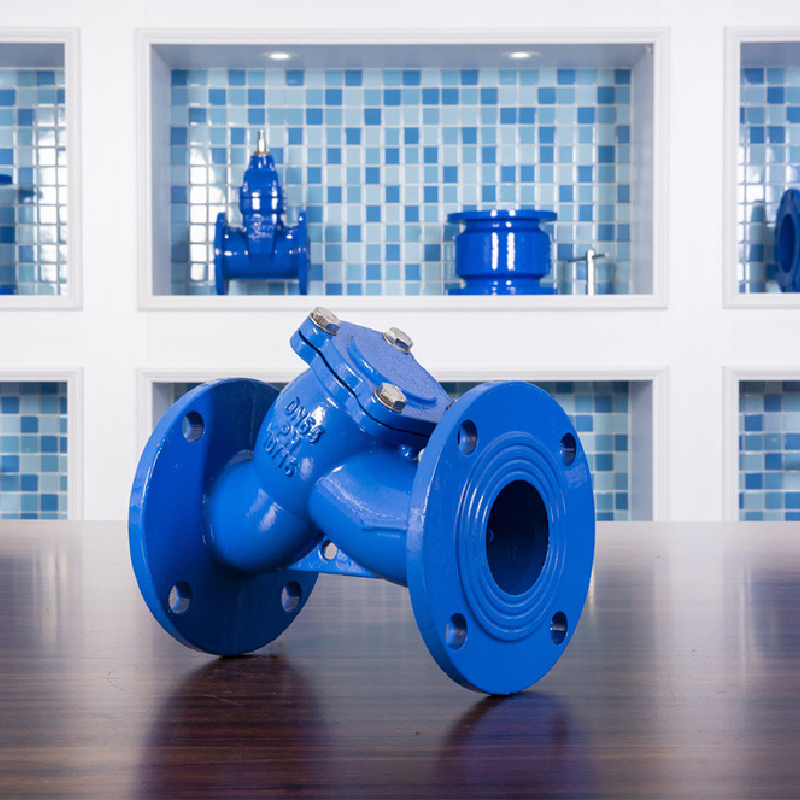
Water Valve Types And Their Delivery Times
Water valves play a crucial role in managing water flow within your home or industrial system. Wheth

Welding Table Cast Iron Surface Finish Guide
As a wholesaler in the welding equipment industry, understanding the intricacies of welding table ca
 English